Industrial Machinery
Food Processing Equipment Shipping from China to USA
Freight forwarding for mixing, filling, cutting, and processing equipment — from factory pickup in China through ocean freight and US customs clearance coordination to final delivery.
- China Factory Pickup
- Ocean Freight
- Heavy Cargo Planning
- US Customs Coordination
- Final Delivery
Shipping Food Processing Equipment from China to the USA
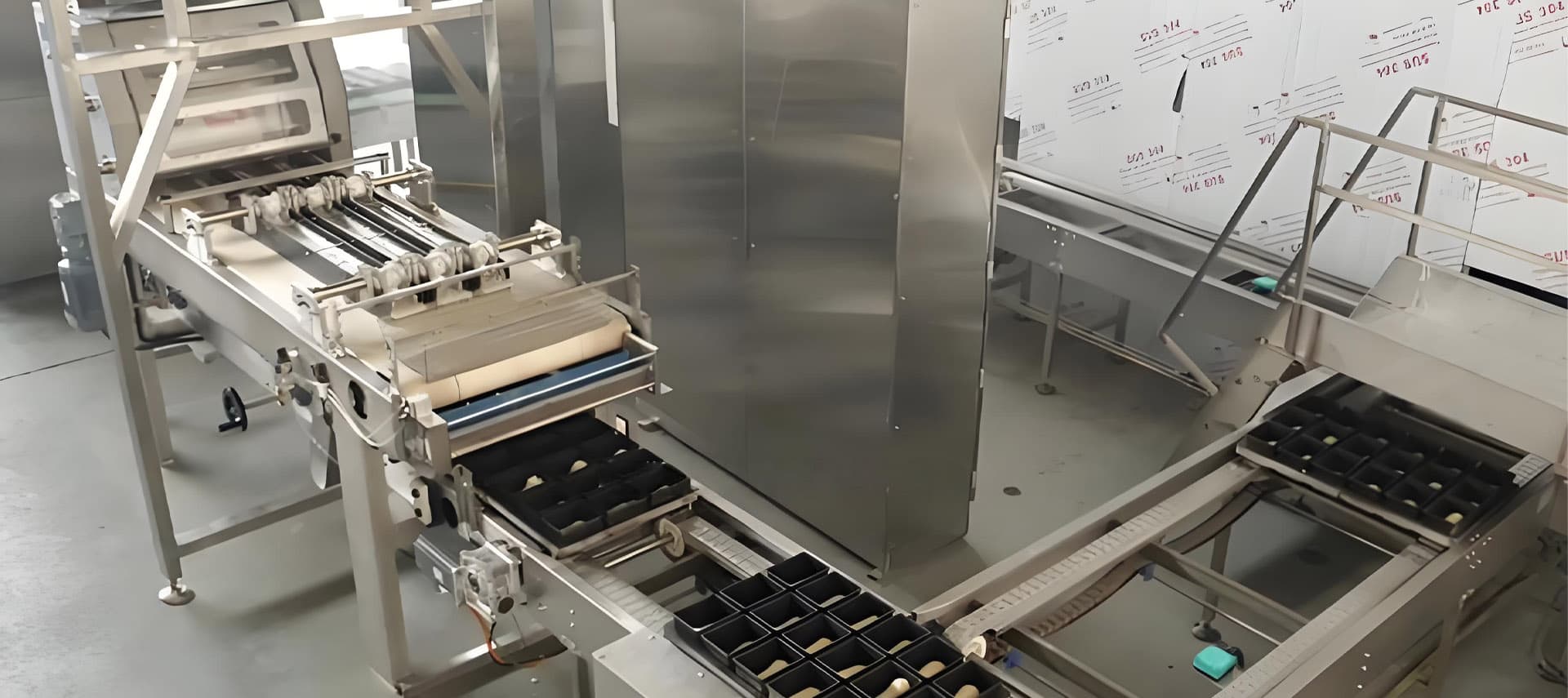
Food processing equipment is often built around large stainless steel vessels, frames, and product-contact surfaces. The shipment has to protect those surfaces in transit, and the equipment may be subject to US requirements that apply to items intended to contact food. Shipping is planned around the actual equipment list, the condition of the surfaces, and whether the equipment is new or previously used.
Shipping Methods
Selected against verified dimensions and weight.
Cargo Details
Packed dimensions, gross weight, quantity and loading details.
Documentation
Invoice, packing list and transport document.
Delivery
Port-to-port, port-to-door or door-to-door, subject to availability.
Types of Food Processing Equipment
Food processing covers a broad range of equipment. Handling and documentation depend on the equipment's function, its product-contact surfaces, and whether it is new or used.
Mixing and Blending Equipment
Vessels and mixers with internal product-contact surfaces that need protection in transit.
Filling and Dosing Equipment
Machines that dispense product into containers, frequently paired with control cabinets and conveyors.
Cutting, Slicing, and Dicing Equipment
Machines with blade assemblies and product-contact parts that may be packed separately.
Cooking and Processing Vessels
Tanks, kettles, and vessels that can be large, heavy, and awkward to load.
Conveying and Handling Systems
Conveyors and elevators that are long and light relative to their volume.
Packaging and Sealing Equipment for Food
Sealers and wrappers where product-contact surfaces also need to be documented.
Food Processing Equipment Shipping Considerations
The product-contact surfaces and the new-or-used status of the equipment are the two points that most often affect a shipment. Confirm both before booking.
- Stainless steel and polished product-contact surfaces are easily scratched or dented; protection between pieces and inside crates should be planned.
- Where equipment is intended to contact food, additional US requirements may apply. Confirm the applicable requirements for the specific equipment with your customs broker or compliance advisor.
- Used equipment in particular should have its condition, cleanliness, and any residual product clearly documented before shipment.
- Residual moisture, cleaning fluids, or product traces should be declared, as they can affect packing requirements and carrier acceptance.
- Control cabinets, motors, and instrumentation are often packed separately and should be listed individually for customs and packing purposes.
- Wood packaging used for international shipments may be subject to ISPM 15 treatment requirements in the destination country.
Food Processing Equipment Shipping Options
Equipment selection follows the unit's dimensions, weight and lifting points.
Full Container Load (FCL)
Dedicated container where the unit fits and can be secured inside.
Less than Container Load (LCL)
Consolidated space where units are small enough to handle with other cargo.
Open Top Container
Top loading for units too tall or too wide for a standard door.
The method is confirmed against verified dimensions and carrier acceptance before booking.
How We Coordinate Food Processing Equipment Shipments
- 1
Factory Pickup
Collect from the supplier, confirming access for the unit's size.
- 2
Dimensions and Loading Plan
Verify packed dimensions, gross weight and lifting points.
- 3
Equipment Selection
Match flat rack, open top or standard container to the unit.
- 4
Securing and Export
Lash, brace and complete export documentation.
- 5
Ocean Freight
Book the sailing and monitor the container to load.
- 6
Customs Coordination
Prepare entry information with your US customs broker.
- 7
Final Delivery
Arrange delivery to site, accounting for access and unloading.
What Affects Food Processing Equipment Shipping Costs?
The cost depends on the cargo specifications and the full transportation route. A reliable quotation requires shipment-specific details.
- Dimensions and gross weight
- Number of units and total volume
- Factory location in China
- US destination port or ZIP code
- Equipment type and loading requirements
- Final delivery and site access
Information Needed for a Shipping Quote
- Item name and model
- Quantity
- Packed dimensions (L × W × H)
- Gross weight
- Factory city and postal code, if available
- US destination city and ZIP code
- Cargo-ready date
- Photos or loading specifications, if available
Food Processing Equipment Customs Clearance in the USA
Importing this equipment into the United States requires accurate shipment information and appropriate customs entry documentation. Requirements depend on the specific equipment, its function, origin, transaction details, and applicable US import regulations.
Commonly Required Information
- Commercial invoice
- Packing list
- Bill of lading
- Equipment specifications and function
- Manufacturer and country of origin
The correct HTS classification and applicable duties must be determined based on the actual equipment and current US tariff rules. Equipment intended to contact food may be subject to additional US requirements, and used equipment may raise separate questions. HSS can coordinate shipment information and logistics arrangements with the responsible customs broker; a definitive classification or duty rate is not published here because it depends on the specific equipment and current regulations.
Before Shipping Food Processing Equipment: What to Confirm
Packed Dimensions
Confirm the actual packed size, including base, protective frame and any components removed for transport.
Weight and Floor Loading
Confirm gross weight and how it is distributed, so equipment and load spreading can be planned.
Lifting Points
Identify the jacking or lifting points the unit is designed to be handled by.
Site Access
Check access clearance and unloading equipment at the destination before the unit is crated.
How We Work
HSS coordinates China-origin freight forwarding for equipment imported into the United States — factory pickup, export arrangements, transportation and customs coordination, planned around each shipment.
China-Origin Coordination
Pickup and shipping arrangements handled with your suppliers in China.
Planning Before Booking
Dimensions, weight and loading method confirmed before the rate is fixed.
Customs Coordination
Entry information prepared with your US customs broker.
Delivery Arrangement
Onward transport planned around destination and site access.
Food Processing Equipment Shipping FAQs
Can used food processing equipment be shipped to the USA?
Used equipment may be transportable, but additional requirements and restrictions may apply. The condition and cleanliness of the equipment should be documented, and the applicable requirements confirmed before shipment.
Does food processing equipment need special documentation?
Requirements depend on the equipment and its intended use. Confirm the applicable requirements for the specific equipment with your customs broker or compliance advisor before shipping.
How should stainless steel surfaces be protected?
Protection between pieces and inside crates is usually arranged by the supplier as part of export packing. Confirm the packing method with the supplier before the equipment leaves the factory.