
Industrial Machinery
Packaging Machinery Shipping from China to USA
Freight forwarding for filling, cartoning, labeling, and wrapping equipment — from factory pickup in China through ocean freight and US customs clearance coordination to final delivery.
- China Factory Pickup
- Ocean Freight
- Heavy Cargo Planning
- US Customs Coordination
- Final Delivery
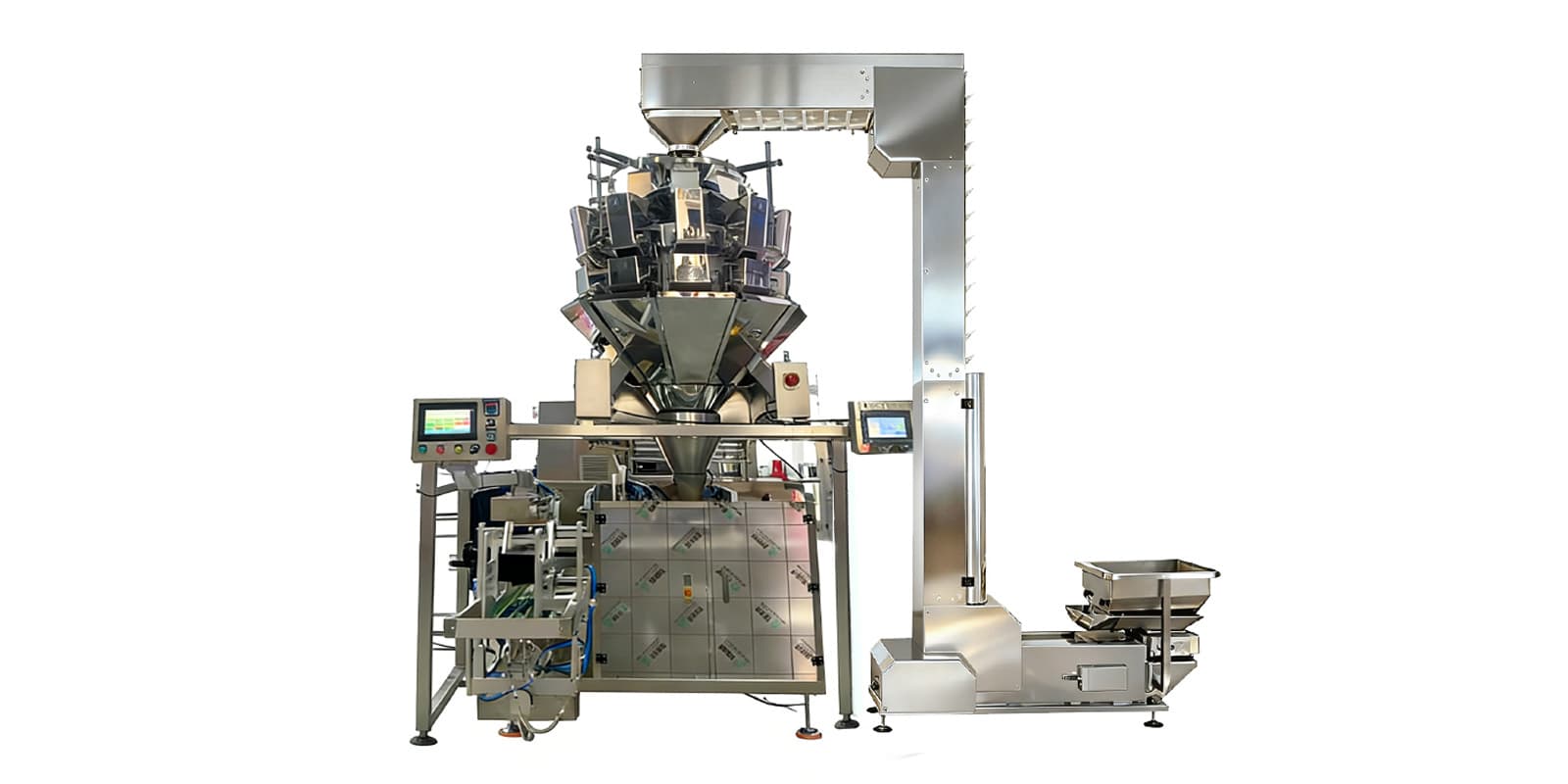
Shipping Packaging Machinery from China to the USA
Packaging machinery often ships as a production line rather than a single unit, made up of several connected machines, conveyors, and control cabinets. That makes the shipment sensitive to how the pieces are grouped and packed, since one incomplete line can delay installation at the destination. Shipping is planned around the full equipment list and the sequence in which the line will be reassembled.
Shipping Methods
FCL, LCL, or specialized equipment where suitable.
Cargo Requirements
Equipment dimensions, gross weight, quantity, and loading details.
Customs Documentation
Commercial invoice, packing list, transport documents, and other applicable information.
Delivery Options
Port-to-port, port-to-door, or door-to-door arrangements, subject to availability.
Types of Packaging Machinery
Packaging equipment covers a wide range of functions. Packing and loading arrangements depend on how many separate units make up the line and how they are connected.
Filling Machines
Equipment that dispenses product into containers, often supplied with product-contact parts and dosing systems.
Cartoning Machines
Machines that form, load, and close cartons, frequently combined with infeed and outfeed conveyors.
Labeling Machines
Applicators that position and apply labels, usually with sensors and control units that ship separately.
Wrapping and Shrink Machines
Systems using film, heat tunnels, or wrapping arms, which may include larger enclosure sections.
Case Packing and Palletizing Equipment
End-of-line equipment that can include tall structural frames and separate robot units.
Conveyors and Line Components
Individual conveyor sections that are long and light, and are often the most volume-consuming part of the shipment.
Packaging Machinery Shipping Considerations
Packaging equipment is usually shipped as a multi-piece line rather than a single machine. The points below should be confirmed before booking.
- The complete equipment list matters as much as total weight — one missing conveyor or control cabinet can hold up installation at the destination.
- Conveyor sections are long and comparatively light, so they can consume container volume out of proportion to their weight.
- Stainless steel and painted surfaces are susceptible to scratching and moisture, so protection between pieces should be planned.
- Control cabinets, sensors, and drives are often packed separately and should be listed individually for customs and packing purposes.
- Where equipment includes product-contact parts intended for food or pharmaceutical use, confirm any applicable US requirements with your customs broker or compliance advisor.
- Wood packaging used for international shipments may be subject to ISPM 15 treatment requirements in the destination country.
Packaging Machinery Shipping Options
The best shipping method depends on cargo dimensions, gross weight, quantity, loading access, budget, and delivery requirements.
Full Container Load (FCL)
Suitable when the equipment or shipment can be safely accommodated in a dedicated container.
Less than Container Load (LCL)
May suit smaller shipments that can be handled through consolidated cargo services.
Open Top Container
May be suitable for cargo requiring top-loading access, subject to equipment dimensions and carrier acceptance.
Flat Rack or Other Specialized Equipment
May be considered for oversized equipment that cannot fit within standard container dimensions.
The final equipment selection depends on verified dimensions, weight, loading method, cargo securing requirements, route availability, and carrier approval.
How We Coordinate Packaging Machinery Shipments
- 1
Shipment Assessment
Collect the machine specifications, quantity, origin, destination, and cargo-ready date.
- 2
Factory Pickup
Coordinate pickup from the supplier or factory in China.
- 3
Cargo Measurement and Loading Planning
Confirm dimensions, gross weight, loading access, and equipment requirements.
- 4
Export Arrangements
Coordinate export documentation and shipment arrangements.
- 5
Ocean Freight
Arrange the selected ocean transportation service.
- 6
US Customs Clearance Coordination
Coordinate the required shipment information and customs clearance arrangements with the responsible customs broker or service provider.
- 7
Final Delivery
Arrange onward transportation to the agreed destination, subject to location and cargo requirements.
What Affects Packaging Machinery Shipping Costs?
The cost depends on the cargo specifications and the full transportation route. A reliable quotation requires shipment-specific details.
- Equipment dimensions and gross weight
- Number of units and total shipment volume
- Factory location in China
- US destination port or ZIP code
- Container type and loading requirements
- Final delivery, handling, and access requirements
Information Needed for a Shipping Quote
- Equipment name and model
- Quantity
- Packed dimensions (L × W × H)
- Gross weight
- Factory city and postal code, if available
- US destination city and ZIP code
- Cargo-ready date
- Photos or loading specifications, if available
Packaging Machinery Customs Clearance in the USA
Importing this equipment into the United States requires accurate shipment information and appropriate customs entry documentation. Requirements depend on the specific equipment, its function, origin, transaction details, and applicable US import regulations.
Commonly Required Shipping Information
- Commercial invoice
- Packing list
- Bill of lading or other applicable transport document
- Detailed product description
- Manufacturer and country-of-origin information
- Equipment specifications and intended function
- Importer details and customs entry information
The correct HTS classification and applicable duties must be determined based on the actual equipment and current US tariff rules. Where the equipment includes product-contact components intended for food or pharmaceutical use, additional US requirements may apply. HSS can coordinate shipment information and logistics arrangements with the responsible customs broker; a definitive classification or duty rate is not published here because it depends on the specific equipment and current regulations.
Important Considerations When Shipping Packaging Machinery
Machine Dimensions
Confirm the actual packed dimensions, including any base, protective frame, or removable components.
Cargo Weight and Floor Loading
Confirm gross weight and weight distribution to support appropriate equipment selection and loading planning.
Loading and Securing
Assess lifting points, loading access, packaging, and cargo-securing requirements before transportation.
Delivery Access
Check whether the destination has suitable unloading equipment, access clearance, and the facilities required to receive heavy machinery.
China-to-USA Logistics for Industrial Equipment
HSS coordinates China-origin freight forwarding for businesses importing industrial equipment into the United States. Our logistics arrangements can cover factory pickup, export coordination, ocean freight, customs clearance coordination, and final delivery according to each shipment's requirements.
China-Origin Coordination
Coordinate cargo pickup and shipping arrangements with suppliers in China.
Shipment-Specific Planning
Evaluate dimensions, weight, loading requirements, and destination needs before selecting a shipping method.
Cross-Border Logistics Coordination
Coordinate transportation and documentation across the shipment journey.
Delivery Planning
Arrange onward delivery based on destination, equipment, and site requirements.
Packaging Machinery Shipping FAQs
Can a complete packaging line be shipped together?
A production line can generally be shipped as one consignment, but the equipment list should be confirmed item by item so that nothing is left behind and each piece is packed appropriately.
How are conveyors usually shipped?
Conveyor sections are long and relatively light, and may be shipped in sections. Their dimensions often influence the choice between standard container equipment and other options.
Should control cabinets be shipped with the machines?
Control cabinets and drives are often packed separately for protection. Confirm with the supplier how the line will be divided and packed before shipping.
What information is needed to arrange shipping?
Provide the equipment model, quantity, packed dimensions, gross weight, factory location, US destination, and expected cargo-ready date. Photos and loading details are helpful when available.
Can HSS arrange factory pickup in China?
HSS can coordinate factory pickup as part of the agreed shipping arrangement, subject to the factory location and service availability.
Will I need to pay US import duties?
Import duties depend on the correct HTS classification, country of origin, customs value, and current applicable tariff measures. Confirm the applicable charges before shipment.
Can used equipment be shipped from China to the USA?
Used equipment may be transportable, but import requirements and any applicable restrictions should be checked for the specific equipment before shipping.