
Industrial Machinery
Plastic Machinery Shipping from China to USA
Freight forwarding for injection molding, extrusion, blow molding, and recycling equipment — from factory pickup in China through ocean freight and US clearance coordination to final delivery.
- China Factory Pickup
- Ocean Freight
- Heavy Cargo Planning
- US Customs Coordination
- Final Delivery
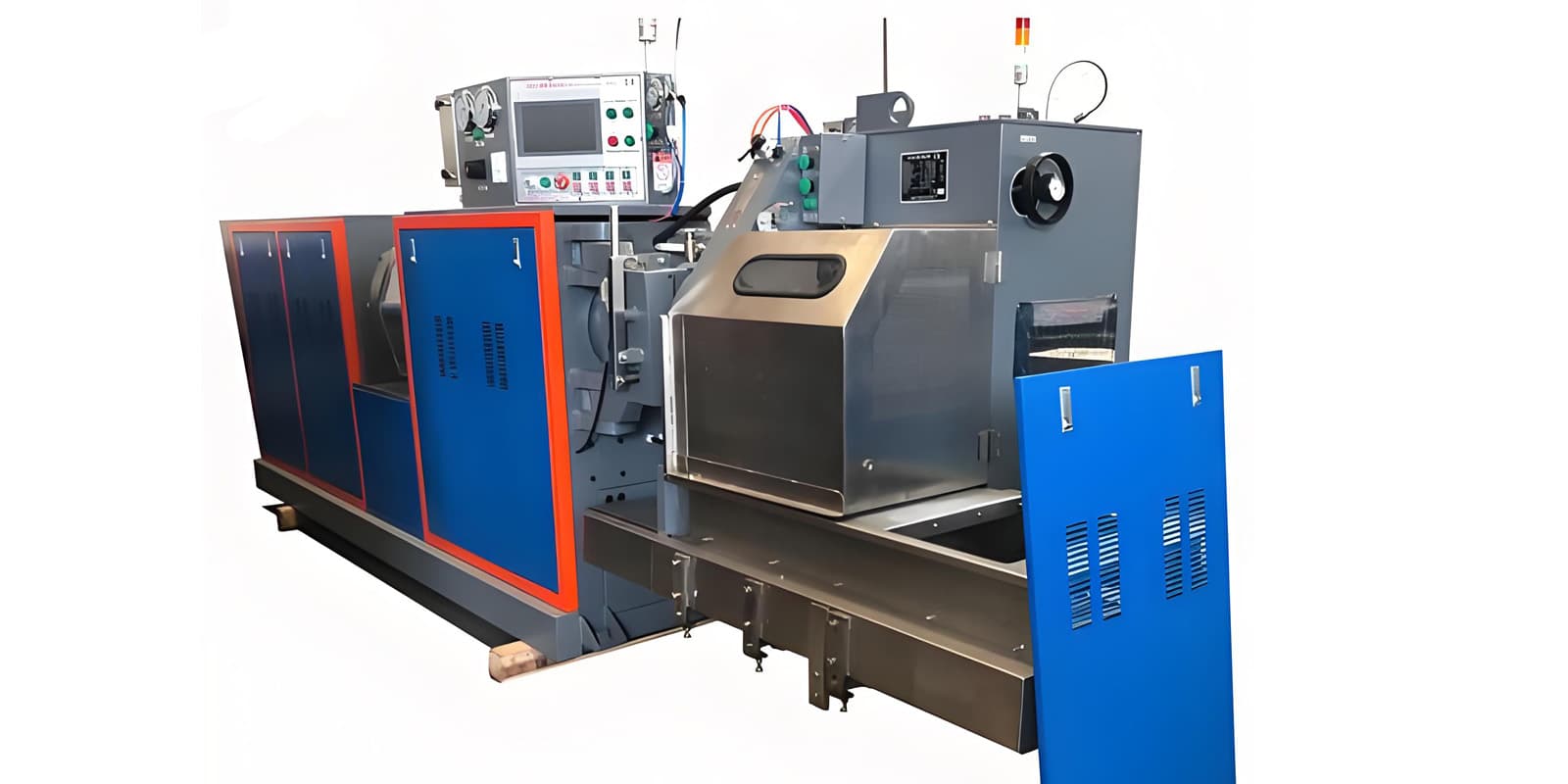
Shipping Plastic Machinery from China to the USA
Plastic machinery is among the heaviest and most space-demanding industrial equipment, and the largest units often cannot be loaded into standard container equipment at all. Tie bars, platens, screws, and barrels are dense and heavy, and hydraulic oil and mold handling add further requirements. This makes early confirmation of packed dimensions, weights, and lifting points especially important.
Shipping Methods
FCL, LCL, or specialized equipment where suitable.
Cargo Requirements
Equipment dimensions, gross weight, quantity, and loading details.
Customs Documentation
Commercial invoice, packing list, transport documents, and other applicable information.
Delivery Options
Port-to-port, port-to-door, or door-to-door arrangements, subject to availability.
Types of Plastic Machinery
Different plastic processing machines present very different loading problems. Arrangements should be based on the actual equipment specifications.
Injection Molding Machines
Large, dense machines where tie bar spacing and platen size heavily influence the packed footprint.
Extrusion Lines
Long production lines combining an extruder, downstream equipment, and control panels.
Blow Molding Machines
Machines that may include tall structural sections and separate mold handling equipment.
Thermoforming Machines
Machines using large platens and forming stations, often with significant overall height.
Plastic Recycling and Washing Lines
Lines made up of several connected units, including tanks, conveyors, and shredders.
Auxiliary Equipment
Dryers, chillers, hoppers, and loaders that are frequently shipped alongside the main machine.
Plastic Machinery Shipping Considerations
Plastic machinery is typically heavy and often oversized. The points below most often decide whether and how the shipment can be loaded.
- Overall packed dimensions — not machine weight alone — usually decide whether standard container equipment is workable or whether open-top or flat-rack arrangements are needed.
- Concentrated weight is a key consideration. Heavy concentrated loads may require specific equipment and weight distribution planning.
- Lifting points, centre of gravity, and base fixing details should be confirmed so that loading and securing can be planned in advance.
- Hydraulic oil and lubricants should be declared, as they can affect packing requirements and carrier acceptance.
- Molds and tooling are often shipped as separate pieces and should be listed individually for customs and packing purposes.
- Wood packaging used for international shipments may be subject to ISPM 15 treatment requirements in the destination country.
Plastic Machinery Shipping Options
The best shipping method depends on cargo dimensions, gross weight, quantity, loading access, budget, and delivery requirements.
Full Container Load (FCL)
Suitable when the equipment or shipment can be safely accommodated in a dedicated container.
Less than Container Load (LCL)
May suit smaller shipments that can be handled through consolidated cargo services.
Open Top Container
May be suitable for cargo requiring top-loading access, subject to equipment dimensions and carrier acceptance.
Flat Rack or Other Specialized Equipment
May be considered for oversized equipment that cannot fit within standard container dimensions.
The final equipment selection depends on verified dimensions, weight, loading method, cargo securing requirements, route availability, and carrier approval.
How We Coordinate Plastic Machinery Shipments
- 1
Shipment Assessment
Collect the machine specifications, quantity, origin, destination, and cargo-ready date.
- 2
Factory Pickup
Coordinate pickup from the supplier or factory in China.
- 3
Cargo Measurement and Loading Planning
Confirm dimensions, gross weight, loading access, and equipment requirements.
- 4
Export Arrangements
Coordinate export documentation and shipment arrangements.
- 5
Ocean Freight
Arrange the selected ocean transportation service.
- 6
US Customs Clearance Coordination
Coordinate the required shipment information and customs clearance arrangements with the responsible customs broker or service provider.
- 7
Final Delivery
Arrange onward transportation to the agreed destination, subject to location and cargo requirements.
What Affects Plastic Machinery Shipping Costs?
The cost depends on the cargo specifications and the full transportation route. A reliable quotation requires shipment-specific details.
- Equipment dimensions and gross weight
- Number of units and total shipment volume
- Factory location in China
- US destination port or ZIP code
- Container type and loading requirements
- Final delivery, handling, and access requirements
Information Needed for a Shipping Quote
- Equipment name and model
- Quantity
- Packed dimensions (L × W × H)
- Gross weight
- Factory city and postal code, if available
- US destination city and ZIP code
- Cargo-ready date
- Photos or loading specifications, if available
Plastic Machinery Customs Clearance in the USA
Importing this equipment into the United States requires accurate shipment information and appropriate customs entry documentation. Requirements depend on the specific equipment, its function, origin, transaction details, and applicable US import regulations.
Commonly Required Shipping Information
- Commercial invoice
- Packing list
- Bill of lading or other applicable transport document
- Detailed product description
- Manufacturer and country-of-origin information
- Equipment specifications and intended function
- Importer details and customs entry information
The correct HTS classification and applicable duties must be determined based on the actual machine and current US tariff rules. Used machinery may raise additional questions about condition and prior use. HSS can coordinate shipment information and logistics arrangements with the responsible customs broker; a definitive classification or duty rate is not published here because it depends on the specific equipment and current regulations.
Important Considerations When Shipping Plastic Machinery
Machine Dimensions
Confirm the actual packed dimensions, including any base, protective frame, or removable components.
Cargo Weight and Floor Loading
Confirm gross weight and weight distribution to support appropriate equipment selection and loading planning.
Loading and Securing
Assess lifting points, loading access, packaging, and cargo-securing requirements before transportation.
Delivery Access
Check whether the destination has suitable unloading equipment, access clearance, and the facilities required to receive heavy machinery.
China-to-USA Logistics for Industrial Equipment
HSS coordinates China-origin freight forwarding for businesses importing industrial equipment into the United States. Our logistics arrangements can cover factory pickup, export coordination, ocean freight, customs clearance coordination, and final delivery according to each shipment's requirements.
China-Origin Coordination
Coordinate cargo pickup and shipping arrangements with suppliers in China.
Shipment-Specific Planning
Evaluate dimensions, weight, loading requirements, and destination needs before selecting a shipping method.
Cross-Border Logistics Coordination
Coordinate transportation and documentation across the shipment journey.
Delivery Planning
Arrange onward delivery based on destination, equipment, and site requirements.
Plastic Machinery Shipping FAQs
Can an injection molding machine fit in a standard container?
It depends on the machine's packed dimensions and weight. Larger units may require open-top or flat-rack arrangements, subject to dimensions, weight distribution, and carrier acceptance.
How are oversized plastic machines loaded?
Loading method is decided from the verified packed dimensions, lifting points, and equipment availability. The final arrangement is subject to carrier approval.
Should molds be shipped with the machine?
Molds and tooling are often shipped as separate pieces. They should be listed individually so that packing, weight distribution, and customs documentation can be planned.
What information is needed to arrange shipping?
Provide the equipment model, quantity, packed dimensions, gross weight, factory location, US destination, and expected cargo-ready date. Photos and loading details are helpful when available.
Can HSS arrange factory pickup in China?
HSS can coordinate factory pickup as part of the agreed shipping arrangement, subject to the factory location and service availability.
Will I need to pay US import duties?
Import duties depend on the correct HTS classification, country of origin, customs value, and current applicable tariff measures. Confirm the applicable charges before shipment.
Can used equipment be shipped from China to the USA?
Used equipment may be transportable, but import requirements and any applicable restrictions should be checked for the specific equipment before shipping.